Choosing the right tennis surfacing is essential for ensuring player safety, durability, and optimal game performance. Whether you are upgrading an existing court or installing a new one, selecting the best surface is crucial for long-term benefits. In this guide, we will explore different types of tennis surfaces and their advantages.
Types of Tennis Surfacing
1. Hard Court Surfacing
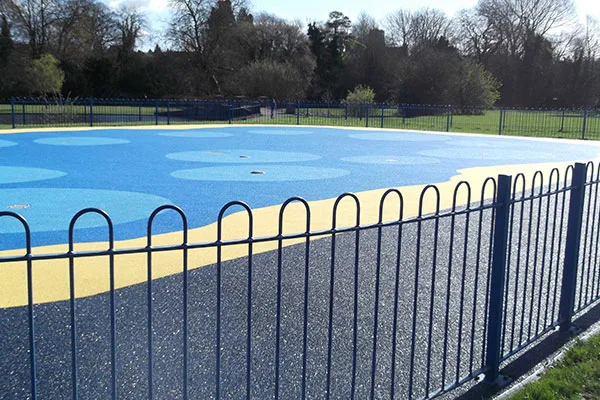
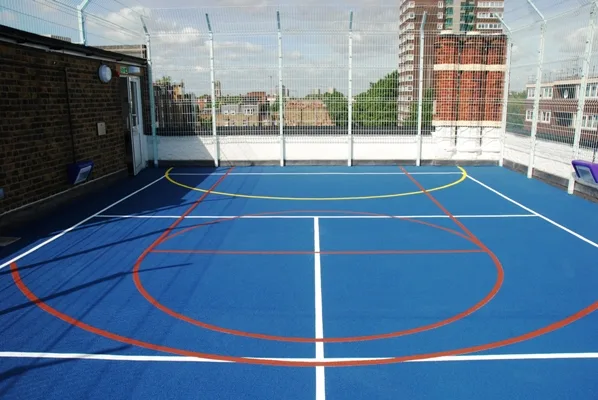
Hard courts are one of the most common types of tennis surfacing. They provide a consistent bounce and require minimal maintenance. These courts are typically made of asphalt or concrete with an acrylic coating, making them durable and weather-resistant.
2. Clay Court Surfacing
Clay courts are popular for their slow ball speed and higher bounce. This type of tennis surfacing is ideal for players who enjoy longer rallies. Clay surfaces require regular upkeep, including brushing and watering, to maintain their quality.
3. Grass Court Surfacing
Grass courts provide a fast-paced game with low ball bounce. However, they require frequent maintenance, including mowing and watering. Wimbledon is the most famous tournament that uses this type of tennis surfacing.
4. Synthetic Turf Surfacing
Synthetic turf courts mimic the characteristics of grass but require less maintenance. They offer good shock absorption and are ideal for all-weather play, making them a versatile tennis surfacing option.
5. Acrylic Tennis Surfacing
Acrylic courts are designed to provide excellent grip and consistent ball speed. They are commonly used for professional tournaments and recreational play due to their durability and low maintenance requirements.
Choosing the Right Tennis Surfacing
When selecting a tennis surfacing material, consider factors such as climate, player preference, maintenance needs, and budget. Hard courts are durable and low-maintenance, while clay and grass courts require more care but offer unique playing experiences.
Conclusion
Investing in high-quality tennis surfacing enhances the longevity of the court and improves player performance. Whether you prefer a fast-paced game on grass or a controlled play on clay, choosing the right surface ensures an excellent tennis experience. Evaluate your needs and select the best option for long-term enjoyment.
By optimizing your tennis surfacing choice, you can create a high-performance court that meets both recreational and professional standards.


No comments:
Post a Comment